Divergent lenses

Manufacture of divergent lenses

They spread light rays apart, giving the impression that they are coming from a virtual focus.
Used for correct divergence, enlarge a beam or stabilize an optical projection.

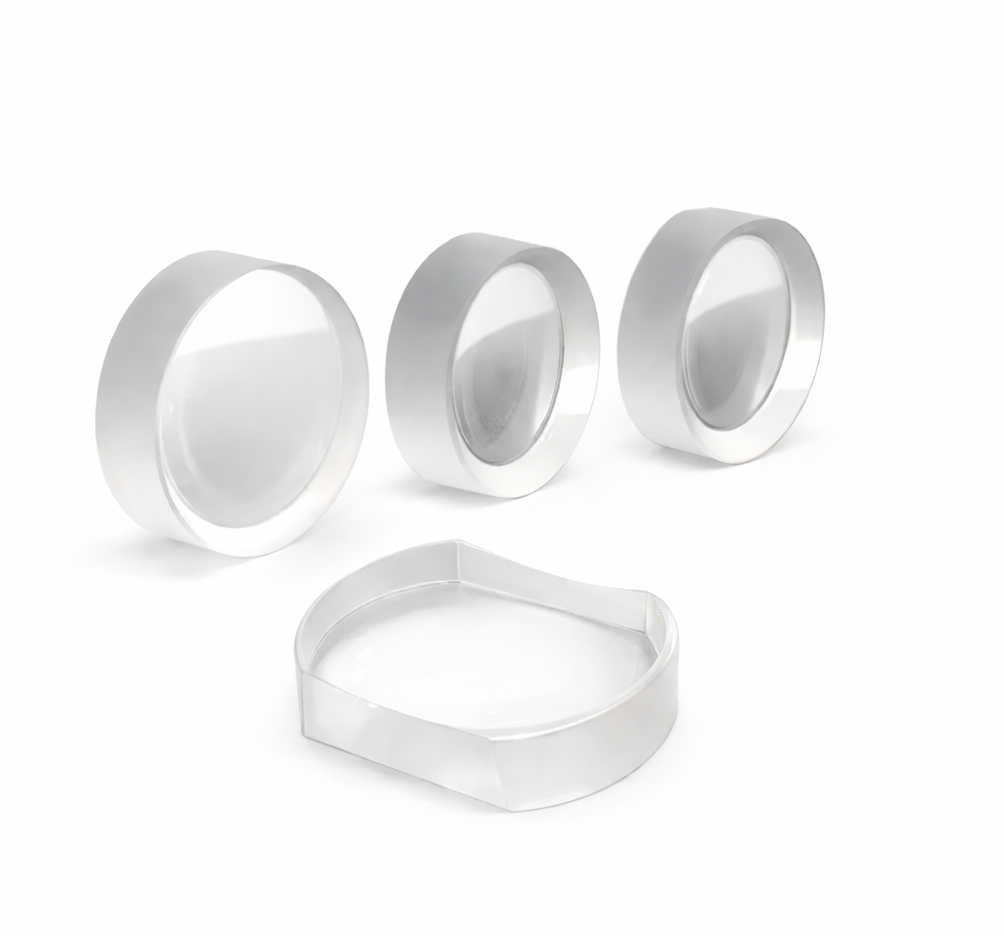
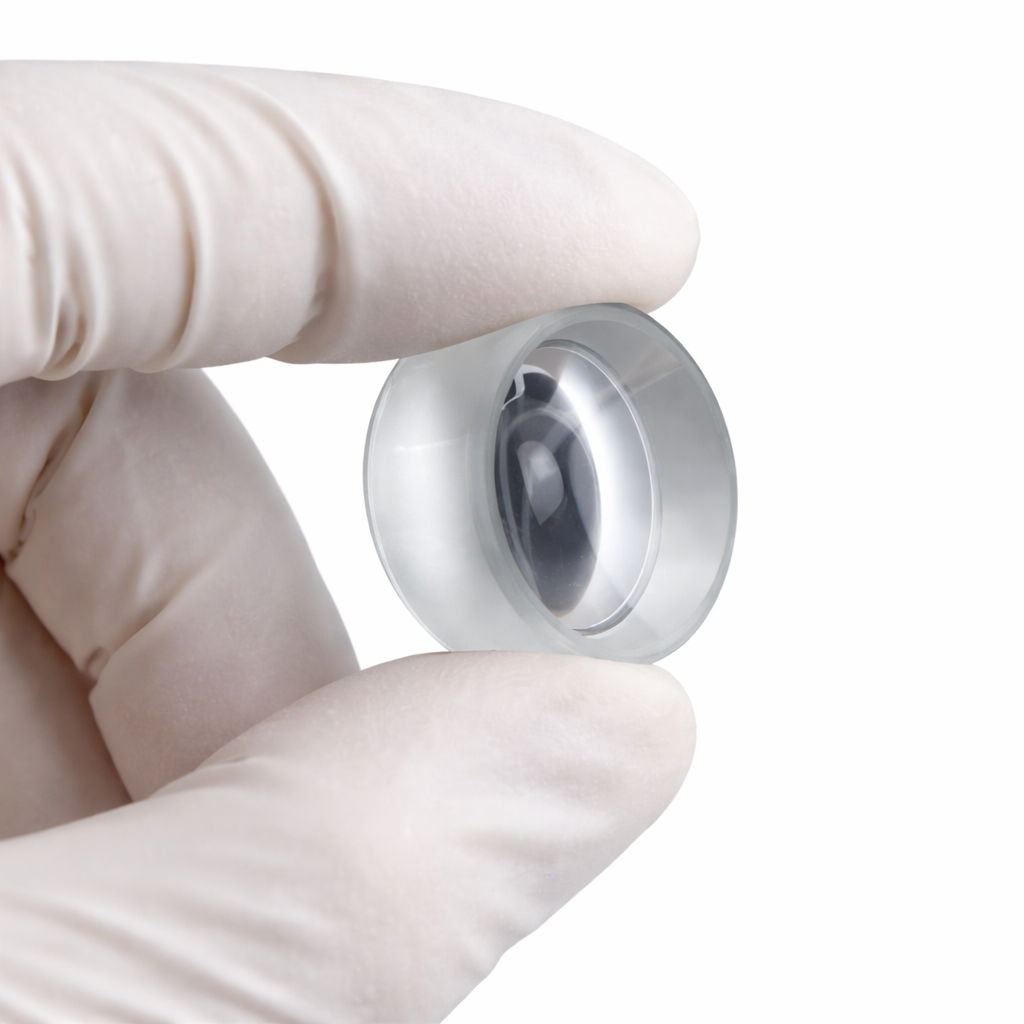
Biconcave lenses: broaden light beams or correct the convergence of a system.

Biconcave lenses scatter the light, creating a virtual focus. They are used for widen or homogenize a beam, or for correct convergence of an optical system.

Particularly used in laser systems and projection devices.

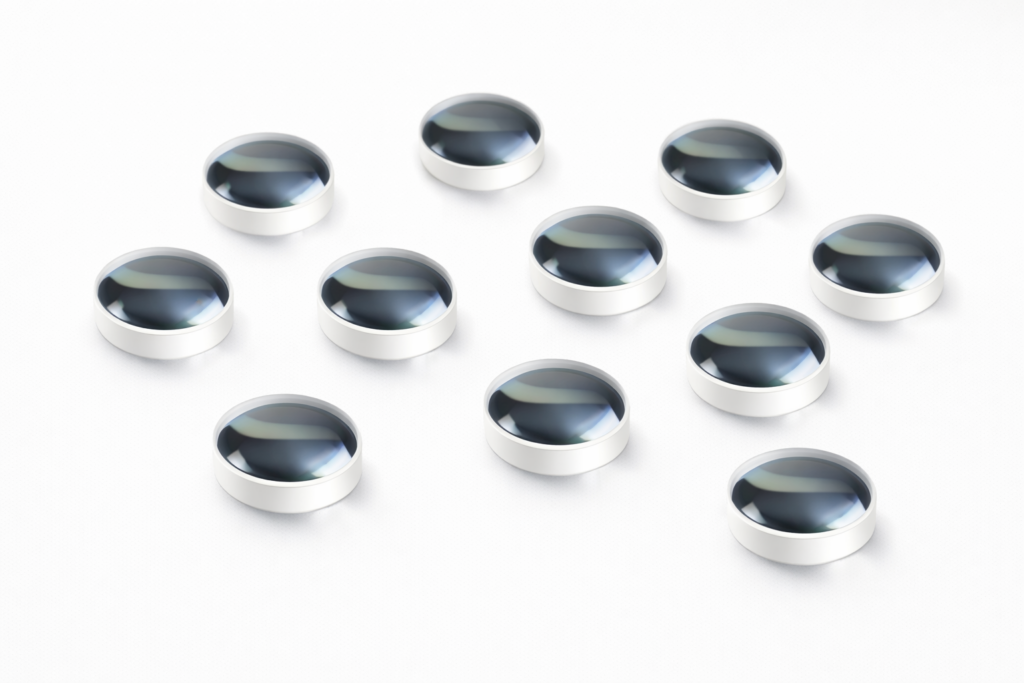
Plano-concave lenses: adjust laser beams or projection systems.

With one flat and one concave face, plano-concave lenses produce a moderate light beam divergence. They are used to adjust the divergence of a laser, correct a wavefront or control the projection of a light beam.

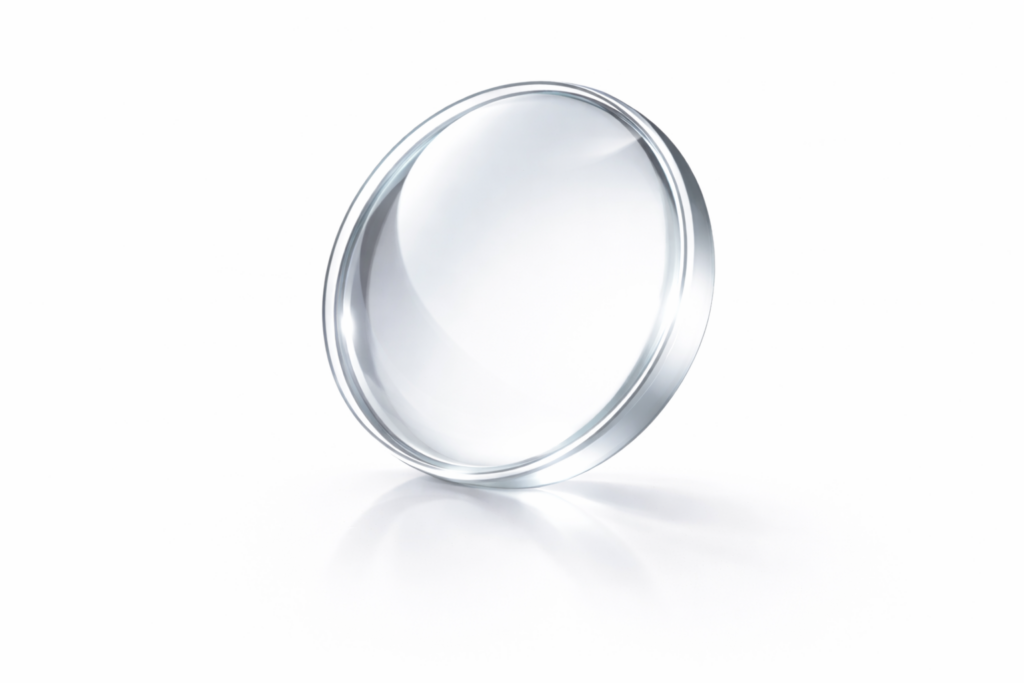
Divergent meniscus lenses: reduce geometric distortion while controlling dispersion.

These lenses have a convex and a concave face, with a dominant curvature on the concave side.

They trigger a divergence of light rays incidents for correct certain optical aberrations, widen light beams or adjust the focus of a system.

Divergent meniscus lenses are used in a variety of optical systems to control divergence, improve imaging and optimize performance in instrumentation and metrology.